Entertainment
Understanding Utanmazkzılar: The Cultural Evolution of Audacity and Social Boundaries

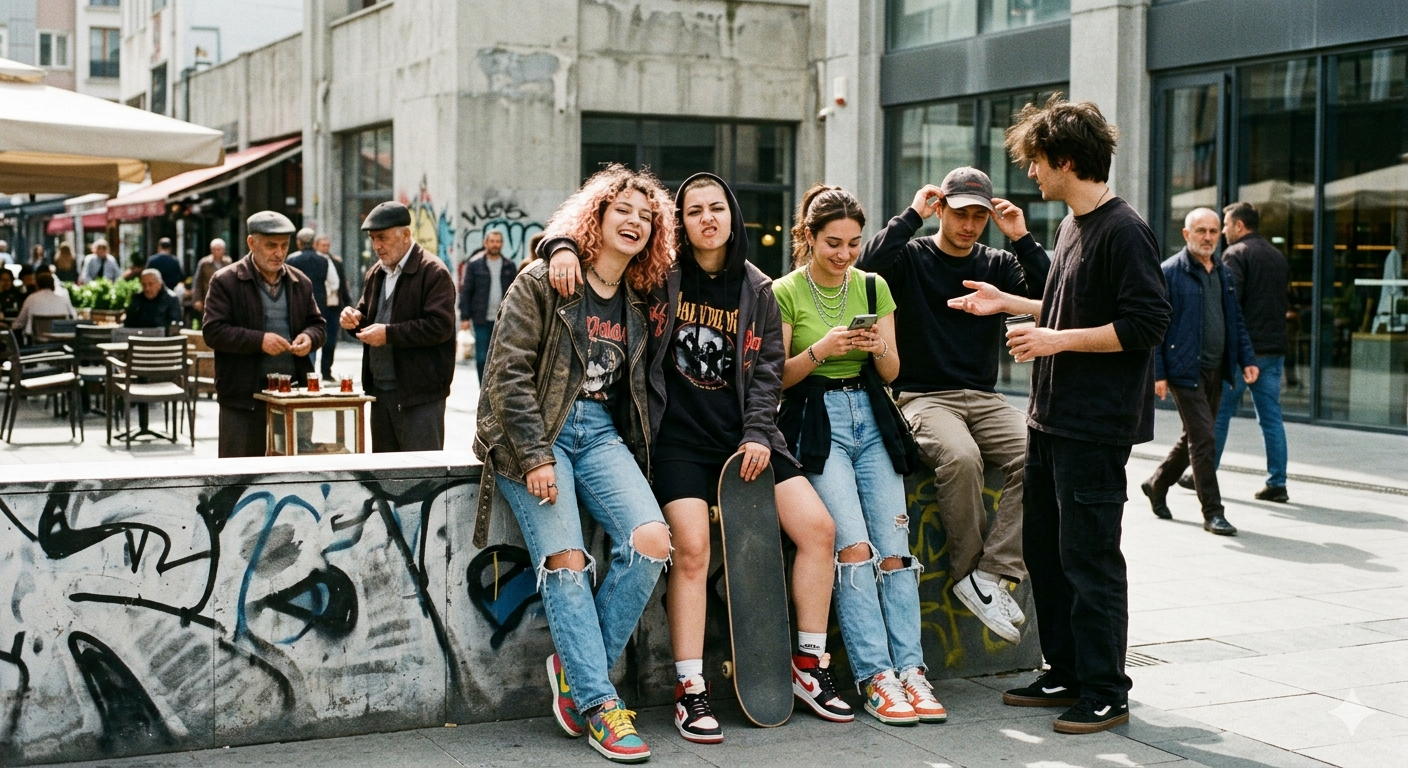
The term Utanmazkzılar has recently surfaced in digital discourse, capturing a complex blend of social commentary, cultural critique, and the shifting boundaries of modern etiquette. At its core, it refers to a collective observation of individuals or groups who operate with a perceived lack of shame—a concept deeply rooted in traditional values but now clashing with the era of viral fame and hyper-individualism. Understanding the rise of Utanmazkzılar requires a deep dive into how society views “shame” not just as a restriction, but as a stabilizing force that has undergone radical transformation in the 21st century.
The Linguistic and Cultural Roots of the Concept
To truly grasp the weight of Utanmazkzılar, one must look at the etymological underpinnings. In many Mediterranean and Middle Eastern cultures, the concept of “shame” (often related to utanma or haya) is a pillar of social cohesion. It is the internal compass that prevents one from overstepping the rights of others or behaving in a way that disrupts communal harmony.
When people discuss the Utanmazkzılar, they are often referring to a perceived “new breed” of social actors. These are individuals who seem immune to the traditional pressures of social disapproval. Whether in the context of digital influencers, aggressive market behaviors, or public discourse, the Utanmazkzılar represent a break from the unspoken contracts that once governed public life.
Why Utanmazkzılar is Trending in Modern Discourse
The digital age has fundamentally altered the feedback loops of social behavior. Historically, if someone acted without shame, the local community would provide immediate social “correction.” Today, however, the Utanmazkzılar find that audacity often pays dividends in the form of attention, clicks, and revenue.
-
Algorithmic Incentives: Social media platforms reward high-energy, controversial, and boundary-pushing content. The Utanmazkzılar often leverage this by being “shamelessly” authentic or provocatively disruptive.
-
The Anonymity of the Crowd: In massive urban environments and digital forums, the fear of social repercussion is diminished. This allows for the rise of Utanmazkzılar who no longer feel the weight of a local reputation.
-
Cultural Shifts: There is a growing movement toward “unapologetic living,” which is often a positive push for mental health. However, the line between healthy boundaries and becoming one of the Utanmazkzılar is frequently blurred.
The Social Psychology Behind the Utanmazkzılar Phenomenon
Why do certain groups or individuals lean into the role of the Utanmazkzılar? Psychology suggests that as traditional structures weaken, individuals seek new ways to assert dominance or secure resources. In a world where being “quiet and polite” often results in being ignored, the Utanmazkzılar approach becomes a survival mechanism for some.
The Death of the “Cringe” Response
One of the most fascinating aspects of Utanmazkzılar is the erosion of the “cringe” factor. Usually, watching someone act without regard for social norms causes a visceral discomfort in the observer. Yet, the Utanmazkzılar have turned this discomfort into a weapon. By leaning into behavior that others find embarrassing, they command the narrative and force the audience to engage, even if that engagement is rooted in frustration.
Breaking Down the Social Contract
The existence of the Utanmazkzılar signals a potential fracture in the social contract. When a large segment of society begins to act without the traditional constraints of communal shame, others may follow suit out of a sense of unfairness. If “shamelessness” is perceived as a shortcut to success, the very fabric of mutual respect begins to fray.
Utanmazkzılar in Global and Local Contexts
While the term itself may have specific regional connotations, the spirit of Utanmazkzılar is a global phenomenon. From “main character syndrome” in the West to the “clout-chasing” culture seen across Asia and Europe, the underlying mechanics remain the same.
The Influence of Pop Culture
Reality television has been a primary incubator for the Utanmazkzılar archetype. For decades, audiences have been conditioned to watch—and ultimately reward—individuals who prioritize self-interest and drama over social grace. This media consumption has trickled down into everyday life, where people mirror the “performative audacity” of their favorite screen personalities.
Economic Factors and Resource Competition
In many ways, the rise of the Utanmazkzılar is a byproduct of economic pressure. When resources are perceived as scarce, the polite individual often loses out to the aggressive one. This creates a cycle where Utanmazkzılar behaviors are viewed not just as personality traits, but as necessary tactics for social and financial mobility.
Identifying the Different Types of Utanmazkzılar
Not all “shameless” behavior is the same. To understand the Utanmazkzılar, we must categorize the various ways this trait manifests in modern society:
-
The Digital Disruptor: These are the influencers who film in inappropriate locations or stage “pranks” that inconveniences others, solely for the sake of the algorithm.
-
The Opportunistic Professional: In the corporate world, these Utanmazkzılar take credit for others’ work or bypass ethical standards to climb the ladder, banking on the fact that others will be too polite to call them out.
-
The Social Norm Defier: This group ignores public etiquette, such as playing loud music on public transit or cutting in lines, viewing their own convenience as superior to the collective comfort.
The Fine Line Between Boldness and Being Utanmazkzılar
It is important to distinguish between someone who is simply bold or confident and the Utanmazkzılar. Confidence is having the courage to stand up for oneself or pursue a goal despite fear. Being one of the Utanmazkzılar, conversely, usually involves a lack of empathy or a total disregard for how one’s actions impact the surrounding community.
The Impact of Utanmazkzılar on Community and Mental Health
Living in a society where Utanmazkzılar behaviors are prevalent can take a toll on the average citizen. It creates an environment of constant “low-level” stress, where people feel they must be on guard to protect their boundaries from those who would ignore them.
-
Erosion of Trust: When we expect others to act as Utanmazkzılar, we stop trusting strangers, which leads to social isolation and a lack of community cohesion.
-
Increased Cynicism: Seeing “shameless” behavior rewarded can lead to a cynical worldview, where people believe that honesty and politeness are weaknesses rather than virtues.
-
The Burden of Politeness: Often, the victims of Utanmazkzılar are those who were raised with strong social manners, as they struggle to respond to aggressive or rude behavior without feeling they are “sinking to that level.”
Navigating a World of Utanmazkzılar: Practical Strategies
How do we deal with the Utanmazkzılar without losing our own sense of integrity? It requires a balance of firm boundaries and emotional intelligence.
Setting Firm Boundaries
The Utanmazkzılar thrive on the silence of others. Often, simply stating a boundary clearly and calmly can disrupt their momentum. For example, if someone cuts in line, a polite but firm “I believe I was next” is more effective than silent simmering.
Refusing to Give the “Currency of Attention”
In the digital realm, the best way to handle the Utanmazkzılar is to starve them of attention. By not sharing, commenting, or engaging with “outrage bait,” you remove the incentive for them to continue that specific behavior.
Modeling Alternative Behaviors
The best antidote to a culture of Utanmazkzılar is to double down on the values of empathy and respect. By modeling pro-social behavior, we create “pockets” of community where the old social contract still holds weight.
The Future of Utanmazkzılar: Will the Pendulum Swing Back?
History suggests that social trends are often cyclical. While we are currently in an era that seems to celebrate the Utanmazkzılar, there is already a growing counter-movement. People are beginning to crave “slow living,” “quiet luxury,” and authentic community connections that reject the loud, performative audacity of the last decade.
The Role of Technology in Regulating Behavior
As AI and reputation systems evolve, we may see new ways of addressing the Utanmazkzılar issue. While this raises concerns about privacy, many online communities are already using “karma” or “reputation” scores to filter out those who consistently act against the group’s interests.
Reclaiming the Concept of Shame
Perhaps it is time to rehabilitate the idea of “shame”—not as a tool for bullying, but as a protective mechanism for our shared humanity. If we can distinguish between “toxic shame” (which hurts the individual) and “social shame” (which protects the group), we might find a way to mitigate the rise of the Utanmazkzılar.
Conclusion: Finding Balance in an Audacious World
The phenomenon of the Utanmazkzılar is more than just a trend; it is a reflection of a world in transition. As we navigate the complexities of digital identity and changing social norms, we must decide what kind of world we want to live in. Do we want a society that rewards the loudest and most audacious at any cost, or do we want to preserve the quiet respect that makes communal life possible?
Ultimately, while the Utanmazkzılar may win the short-term battle for attention, the long-term health of our society depends on our ability to value one another. By setting boundaries, choosing where we place our attention, and remaining committed to our own values, we can coexist in a world where audacity is present but respect remains the gold standard.
FAQs About Utanmazkzılar
1. What exactly does “Utanmazkzılar” mean in a modern context? It refers to individuals or groups who act without regard for social norms, traditional manners, or the feelings of others. It often implies a level of “shamelessness” used to gain attention or advantage in social and digital spaces.
2. Is the behavior of Utanmazkzılar always negative? While the term is generally used pejoratively, some argue that “shamelessness” is a form of radical authenticity. However, the distinction usually lies in whether the behavior harms others or simply breaks harmless, outdated taboos.
3. How has social media contributed to the rise of Utanmazkzılar? Social media algorithms prioritize engagement. Because “shameless” or disruptive behavior often generates high engagement (even if negative), the platforms inadvertently provide a financial and social incentive for people to act as Utanmazkzılar.
4. Can someone stop being part of the Utanmazkzılar? Absolutely. Social behaviors are often learned. By developing greater empathy, understanding social cues, and valuing community over individual “clout,” individuals can shift away from these behaviors.
5. How should I react when I encounter Utanmazkzılar in public? The best approach is to remain calm and firm. Avoid getting into a “shouting match,” as that often provides the drama the individual may be seeking. Clearly state your boundaries or, if possible, remove yourself from the situation and deny them your attention.


Car-part.com: The Definitive Guide to Navigating the World’s Largest Used Auto Parts Marketplace

The Ultimate Guide to the Graduations Pouch Pizza Purchase Game Zippergitsfh

Understanding 185.63.2253.200: A Comprehensive Guide to This Unique IP Address

Navigating Modern Legal Challenges with Mylawyer360.com Family Services

The Complete Guide to Backtofrontshow Pricing: Finding the Best Value for Your Needs

Cricfooty Explained: 7 Powerful Insights Into the Rising Hybrid Sports Trend

The Power of Rowdy Oxford Integris in Modern Innovation

Wallapix: The 2026 Master Guide to Premium Wall Art and Memory Preservation

Building an Authority Brand: Izonemedia360 com Entrepreneur

Master the Market: Call Center Outsourcing with Garage2Global

Understanding Neurological Health: A Deep Dive into Doctorhub360.com Neurological Diseases

Players infoguide dmgconselistas: 7 Powerful Insights Every Gamer Must Know

The Art of Decorating with Pyntekvister: A Complete Guide to Natural Home Styling

Konversky: The Definitive Guide to Behavioral Focus and High-Impact Productivity

Zuschneidfelle: The Complete Guide to Precision Cutting, Materials, and Best Practices

Zooskooñ: The Future of Ethical Wildlife Conservation

Realitykubgs: The Ultimate Guide to Navigating the New Digital Frontier

Pagliaesque: Exploring the Bold, Provocative, and Unapologetic Intellectual Style

What is Aagmqal? A complete guide to this emerging framework

185.63.2253.200: 13 Critical Facts You Must Know About This Invalid IP Address

Whiskerslash jersyexpar kumquat custom hoodies: 9 Powerful Reasons They’re Trending in 2026

Lusjstories: The Ultimate Powerful Guide to Creative Digital Storytelling

Osteopur: The Ultimate Guide to Enhancing Bone Density and Skeletal Longevity
Building an Authority Brand: Izonemedia360 com Entrepreneur
-
 Lifestyle5 months ago
The Art of Decorating with Pyntekvister: A Complete Guide to Natural Home Styling
-
 Lifestyle5 months ago
Konversky: The Definitive Guide to Behavioral Focus and High-Impact Productivity
-
 Lifestyle5 months ago
Zuschneidfelle: The Complete Guide to Precision Cutting, Materials, and Best Practices
-
 Lifestyle5 months ago
Zooskooñ: The Future of Ethical Wildlife Conservation
-
 Tech5 months ago
Realitykubgs: The Ultimate Guide to Navigating the New Digital Frontier
-
 Lifestyle5 months ago
Pagliaesque: Exploring the Bold, Provocative, and Unapologetic Intellectual Style
-
 Tech5 months ago
What is Aagmqal? A complete guide to this emerging framework
-
 Tech5 months ago
185.63.2253.200: 13 Critical Facts You Must Know About This Invalid IP Address